October 8, 2026
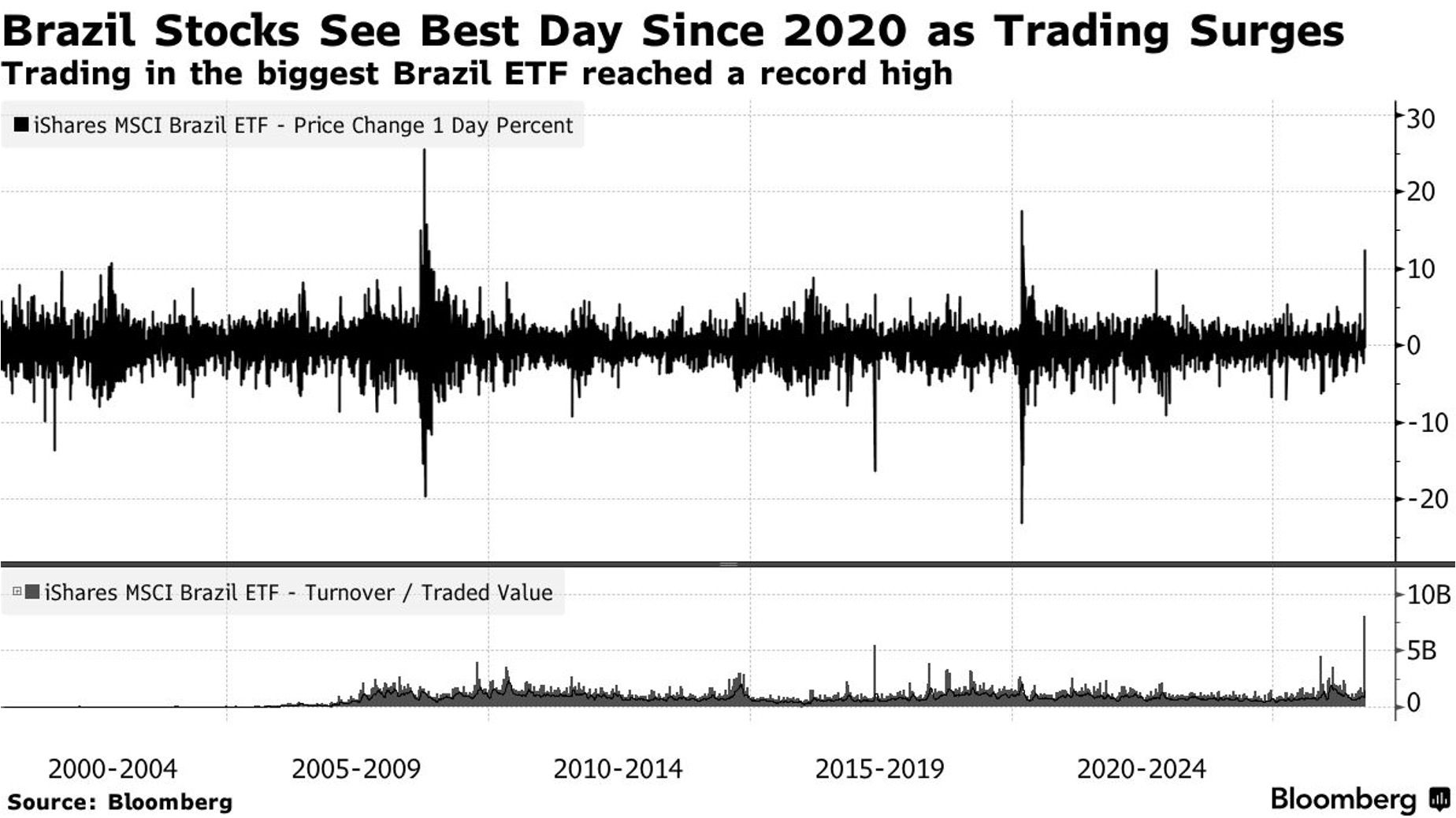
The day after the first round of Brazil's presidential election in October 2026, markets reacted positively: the stock market gained 7.7%, the real appreciated and some long-term futures rates fell by more than one point. This rally anticipates a scenario of fiscal discipline and a gradual reduction in the cost of financing. However, turning this hope into reality requires substantial reforms in an environment where fiscal room for manoeuvre remains narrow.
The Brazilian economy benefits from solid assets: agricultural, mining and oil wealth, as well as a relatively dynamic labour market. However, its vulnerability is concentrated on one critical point: the fiscal trajectory.
The structure of public spending creates a lasting imbalance. The primary deficit (excluding interest) stands at 0.62% of GDP, a seemingly moderate burden. But interest alone absorbs 8.86% of GDP, widening the overall financing need. This mechanism generates a spiral: the heavier the debt, the higher interest rates remain to compensate for the risk perceived by creditors.
High rates then hold back credit to businesses and households, slowing investment and growth. Without structural fiscal control, rates cannot fall durably. Brazil must therefore restore lenders' confidence through lasting savings and credible fiscal rules, in order to gradually reduce the risk premium that inflates its borrowing costs.
The market's positive reaction from the first round reflects a central bet: a fiscal adjustment of around 1.5% of GDP, facilitated by a Congress whose composition is more favourable to savings. The expected scenario rests on a logical chain: fiscal discipline → a stronger real and better-controlled inflation → gradual reduction in policy rates → lighter financial charges for companies and improved valuations.
Even if the second round were to confirm a different electoral outcome, the newly composed Congress could limit the scale of new spending. Part of the fiscal change is thus already built into the legislative composition, which gives this bet a structural basis beyond the presidential result alone.
Delivering on this promise nevertheless faces serious obstacles. Around 92% of federal primary spending planned for 2026 is mandatory: pensions, benefits, civil servants' salaries and constitutionally guaranteed transfers. Cutting administrative costs will not be enough to reach the adjustment target. Savings will necessarily have to come from socially sensitive schemes, generating strong political resistance.
The promised tax cuts, although favourable to long-term growth, complicate the fiscal equation in the short and medium term. Privatisations bring one-off revenues, not recurring savings. Yet only a lasting reduction in spending or a structural increase in revenues can reverse the debt dynamic.
The rise in assets and the real observed immediately after the first round already anticipates a fall in the cost of financing. However, this anticipation remains conditional. Its continuation will depend on concrete measures voted and implemented beyond electoral promises.
The critical timeline will stretch over several months: confirmation of the second round on 25 October, then negotiation and vote on fiscal reforms in Congress, and finally effective implementation. Each step will be scrutinised by the markets. Any slowdown, postponement or watering down of the measures could reverse sentiment and restore a high risk premium.
Brazil has the resources and institutional capacity to undertake this transformation. The question remains open: will it manage to turn promises into lasting policies, quickly and deeply enough to restore the sustainability of its debt and durably reduce the cost of financing?
This is not investment advice.